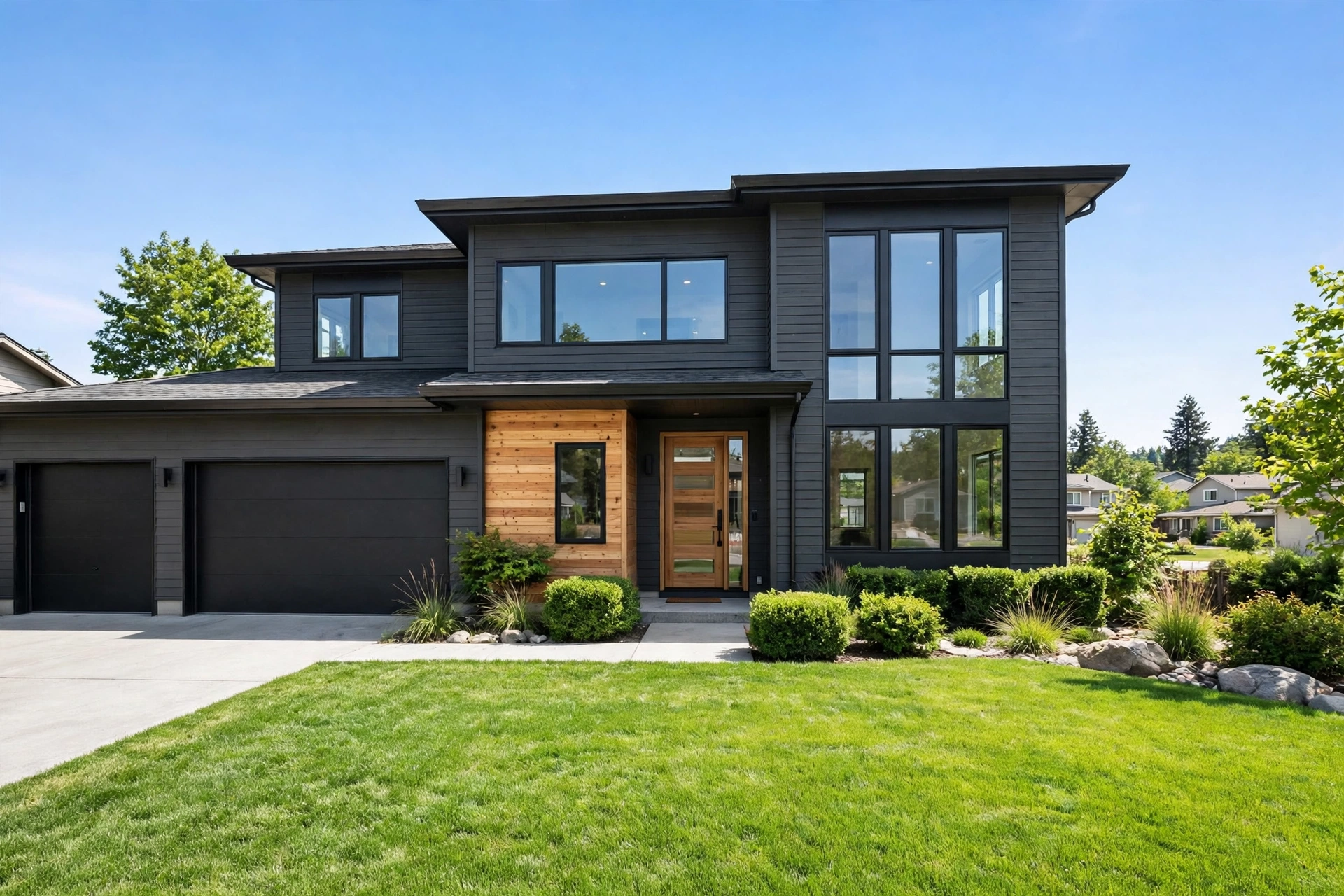
Homeowners insurance in USA is one of the most important financial protections an American homeowner can buy in 2026. Your home is usually the largest purchase you will ever make, and a single fire, storm, burglary, or liability claim can cost tens or even hundreds of thousands of dollars. Homeowners insurance in USA helps pay to repair or rebuild your house, replace your belongings, and protect you if someone is injured on your property. This guide explains what homeowners insurance covers, what it does not cover, how much it costs in 2026, which providers are best, and how to choose the right policy without overpaying.
Whether you are buying your first home, renewing a policy, or shopping for a better rate, understanding homeowners insurance in USA will help you make a confident decision. Mortgage lenders in the United States almost always require it, but even homeowners without a mortgage need it. In this article, we compare the best homeowners insurance providers in 2026, break down the average cost by state, explain how premiums are calculated, and share practical tips to save money while keeping strong protection.
What Is Homeowners Insurance?
Homeowners insurance is a type of property insurance that protects your home and belongings against damage and loss from covered events, known as perils. In exchange for a monthly or annual premium, the insurance company agrees to pay for repairs, replacement, or rebuilding up to the limits in your policy, after you pay your deductible. A standard policy in the United States is usually an HO-3 policy, which is the most common form of homeowners insurance for single-family homes.
An HO-3 policy covers your dwelling on an open-perils basis, which means it protects against all causes of damage except those specifically excluded in the policy. Your personal property is usually covered on a named-perils basis, which means it is protected only against the specific events listed in the policy, such as fire, theft, wind, hail, and vandalism. Other policy forms include HO-1, which offers very basic coverage, HO-2, which covers a broader list of named perils, HO-5, which offers the broadest coverage for high-value homes, and HO-6, which is designed for condominium owners.
Homeowners insurance is not the same as a home warranty. A home warranty covers the repair or replacement of appliances and home systems that break down from normal wear and tear, such as a furnace or dishwasher. Homeowners insurance, by contrast, covers sudden and accidental damage from events such as fire, storms, theft, and burst pipes. It also includes liability protection, which a home warranty does not offer. Many homeowners in the USA carry both, but insurance is the essential one, and mortgage lenders require it before they will approve a home loan.
What Does Homeowners Insurance Cover?
A standard homeowners insurance policy in the USA is made up of several types of coverage, each with its own limit. Understanding these parts helps you see exactly what you are paying for and where you may need more protection. The main coverages are dwelling, other structures, personal property, loss of use, personal liability, and medical payments to others.
Dwelling Coverage
Dwelling coverage, known as Coverage A, pays to repair or rebuild the structure of your home if it is damaged by a covered peril such as fire, lightning, wind, hail, or a falling tree. It covers the walls, roof, floors, built-in appliances, plumbing, electrical systems, and heating and cooling systems. Your dwelling limit should be based on the cost to rebuild your home at current construction prices, not on the market value of your home or the price you paid for it. Construction costs in the USA have risen sharply in recent years, so it is important to review this limit every year and keep it high enough to fully rebuild after a total loss.
Personal Property Coverage
Personal property coverage, known as Coverage C, pays to repair or replace your belongings if they are damaged, destroyed, or stolen in a covered event. This includes furniture, clothing, electronics, appliances, kitchenware, and other items you own, whether they are inside your home or temporarily away from it. Most policies set personal property coverage at 50 to 70 percent of your dwelling limit. For example, a home insured for 300,000 dollars in dwelling coverage might have 150,000 to 210,000 dollars in personal property coverage. It is important to know that high-value items such as jewelry, fine art, collectibles, and expensive electronics often have special sub-limits, usually 1,000 to 2,500 dollars per category, unless you add a scheduled personal property endorsement.
Personal property can be covered on an actual cash value basis or a replacement cost basis. Actual cash value pays what the item is worth today after depreciation, so a ten-year-old television would be worth very little. Replacement cost pays what it costs to buy a new item of similar kind and quality, without deducting for depreciation. Replacement cost coverage costs more, but it is almost always worth it, because it lets you actually replace what you lost instead of receiving a small depreciated payment.
Liability Coverage
Personal liability coverage, known as Coverage E, protects you financially if you are found legally responsible for injuring someone or damaging their property. For example, if a guest slips on your icy steps and breaks an arm, if your dog bites a neighbor, or if your child accidentally breaks a neighbor’s window, liability coverage can pay for medical bills, legal defense, and court judgments up to your policy limit. Standard policies usually start at 100,000 dollars of liability coverage, but most insurance experts recommend at least 300,000 to 500,000 dollars, because a serious injury claim can easily exceed 100,000 dollars. Liability coverage also applies away from your home, so it can protect you in many everyday situations.
Loss of Use and Additional Living Expenses
Loss of use coverage, known as Coverage D, pays for extra living costs if your home becomes uninhabitable because of a covered loss. If a fire forces you to move out for three months while your home is repaired, loss of use coverage can pay for a hotel or rental home, restaurant meals, laundry, storage, and other additional living expenses above your normal costs. Most policies set this limit at 20 to 30 percent of the dwelling limit. This coverage is easy to overlook, but it can save a family from serious financial strain after a major loss, especially in areas of the USA where rental costs are high.
Other Structures and Medical Payments
Other structures coverage, known as Coverage B, covers detached structures on your property, such as a garage, shed, fence, guest house, or swimming pool. It is usually set at 10 percent of your dwelling limit. Medical payments coverage, known as Coverage F, pays for small medical bills if a guest is injured on your property, regardless of who was at fault. Typical limits are 1,000 to 5,000 dollars, and this coverage can help resolve minor injuries quickly without a liability lawsuit.
What Does Homeowners Insurance Not Cover?
Homeowners insurance in USA does not cover everything, and the exclusions surprise many homeowners. Standard policies do not cover flood damage, so if rising water from a river, heavy rain, or a storm surge damages your home, you will need a separate flood insurance policy, usually through the National Flood Insurance Program or a private flood insurer. Standard policies also do not cover earthquakes, except in a few states where limited coverage may be included. If you live in California, Washington, Oregon, or another earthquake-prone area, you will need a separate earthquake policy or endorsement.
Other common exclusions include damage from normal wear and tear, lack of maintenance, mold caused by neglect, pest damage from termites or rodents, sewer backup unless you add an endorsement, and damage from war or nuclear hazards. Homeowners insurance also does not cover your car, which needs auto insurance, or a home business, which needs business insurance. Damage from a burst pipe is usually covered, but damage from a slow leak that you ignored for months usually is not. Reading the exclusions section of your policy before you buy is one of the smartest things you can do.
Best Homeowners Insurance Providers in USA 2026
Choosing the best homeowners insurance provider in 2026 depends on your home, your state, your budget, and the service you expect when you file a claim. The companies below are among the largest and most highly rated in the USA, based on financial strength, customer satisfaction, coverage options, and discounts. Prices vary widely by location and home, so the best way to find the lowest price for you is to get quotes from at least three providers.
| Provider | Best For | Typical Annual Premium | Key Strengths |
|---|---|---|---|
| State Farm | Overall coverage and local agents | About $2,700 | Largest insurer in the USA, wide agent network |
| Allstate | Discounts and digital tools | About $2,900 | Many discounts, Claim RateGuard, easy app |
| USAA | Military families | About $2,300 | Top customer satisfaction, low rates for members |
| Amica | Customer service | About $2,800 | Excellent claims service, dividend policies |
| Liberty Mutual | Custom coverage | About $2,600 | Flexible endorsements, online quotes |
| Nationwide | Replacement cost coverage | About $2,500 | Strong standard coverage, many endorsements |
| Travelers | Green home and new homes | About $2,400 | Good rates, green home discount |
| Lemonade | Fast online buying | About $1,900 | Quick digital quotes, low prices for many homes |
State Farm
State Farm is the largest homeowners insurance company in the USA, and it is a strong choice for homeowners who want a local agent and reliable claims handling. It offers standard dwelling, personal property, and liability coverage, along with useful endorsements for increased replacement cost, water backup, and identity restoration. State Farm also offers bundling discounts when you combine home and auto insurance, which can save a significant amount each year.
Allstate
Allstate is one of the best-known homeowners insurance providers in the USA, with a strong mobile app, many discount options, and helpful tools for estimating rebuilding costs. Its Claim RateGuard feature means your rate will not go up just because you file a claim in some states, and its Claim Satisfaction Guarantee offers extra peace of mind. Allstate is a good option if you want digital convenience plus the option to talk to a local agent.
USAA
USAA consistently earns the highest customer satisfaction scores in the USA, and it often offers the lowest rates of any major provider. The catch is eligibility: USAA homeowners insurance is available only to current and former members of the United States military and their eligible family members. If you qualify, USAA is often the best choice, with strong coverage, replacement cost protection, and excellent claims service.
Amica, Liberty Mutual, Nationwide, Travelers, and Lemonade
Amica is famous for outstanding customer service and for paying dividends to policyholders on some policies, which can lower your effective cost over time. Liberty Mutual offers highly customizable policies and a wide range of endorsements, including inflation protection and water backup coverage. Nationwide is known for strong replacement cost coverage and its Brand New Belongings option, which replaces damaged items with new ones. Travelers offers competitive rates, a green home discount, and good coverage for newly built homes. Lemonade is a newer, fully digital provider that uses artificial intelligence to offer fast quotes and fast claims, often at lower prices for newer homes and renters who are moving into homeownership.
Average Cost of Homeowners Insurance by State in 2026
The average cost of homeowners insurance in USA in 2026 is about 2,600 dollars per year for a home with 300,000 dollars in dwelling coverage, or roughly 217 dollars per month. However, the price you pay depends heavily on where you live. States with frequent hurricanes, wildfires, hail, and tornadoes pay much more, while states with milder weather pay much less. The table below shows approximate average annual premiums by state for a typical home with 300,000 dollars in dwelling coverage and a 1,000 dollar deductible. Your actual quote will depend on your home’s age, size, construction, roof condition, claims history, credit, and deductible.
| State | Approximate Annual Premium | Main Cost Driver |
|---|---|---|
| Florida | About $5,500 | Hurricanes and tropical storms |
| Louisiana | About $4,800 | Hurricanes and flooding risk |
| Oklahoma | About $4,500 | Tornadoes and hail |
| Texas | About $4,200 | Hail, hurricanes, and tornadoes |
| Kansas | About $3,800 | Tornadoes and hail |
| Colorado | About $3,200 | Wildfires and hail |
| California | About $2,100 | Wildfires in high-risk areas |
| New York | About $2,400 | Older homes and winter weather |
| Georgia | About $2,600 | Storms and hail |
| North Carolina | About $2,300 | Hurricanes on the coast |
| Illinois | About $2,200 | Severe storms and hail |
| Ohio | About $1,800 | Lower weather risk |
| Pennsylvania | About $1,700 | Lower weather risk |
| Wisconsin | About $1,600 | Lower weather risk |
These state averages explain why two identical homes can have very different premiums. A home in Florida may cost three times as much to insure as a similar home in Wisconsin, mainly because insurers expect to pay far more in hurricane claims. Within a state, prices also vary by ZIP code, distance from the coast, flood zone, and local construction costs. If you are moving to a new state in the USA, always get homeowners insurance quotes before you buy, because the annual premium can change your monthly housing budget by hundreds of dollars.
How Are Homeowners Insurance Premiums Calculated?
Insurance companies in the USA calculate your premium by estimating how likely you are to file a claim and how much that claim would cost. The rebuilding cost of your home is the biggest factor. A larger home, a home with expensive materials, and a home in an area with high labor costs will cost more to insure. The age and condition of your home also matter. Older homes with outdated wiring, plumbing, or roofing are riskier and more expensive to insure, while newer homes with modern systems often qualify for discounts.
Your location is another major factor. Insurers look at crime rates, fire protection, distance to the nearest fire station and fire hydrant, and exposure to natural disasters such as hurricanes, wildfires, tornadoes, hail, and floods. Your claims history matters too: a homeowner who has filed several claims in the past is more likely to file another one, so insurers charge more. In most states, insurers also use a credit-based insurance score, because research shows that homeowners with higher credit scores tend to file fewer claims. Your deductible, coverage limits, and optional endorsements also affect the price, as do discounts for security systems, bundling, and a claims-free history.
How to Choose the Right Coverage and Deductible
Choosing homeowners insurance in USA is about finding the right balance between protection and price. Start with dwelling coverage that is high enough to rebuild your home completely at today’s construction costs. Ask your insurer for a replacement cost estimate, and consider extended replacement cost coverage, which pays 125 to 150 percent of your dwelling limit if rebuilding costs rise after a major disaster. Guaranteed replacement cost coverage goes further and pays the full cost to rebuild, no matter how high it is, but it is not available from every provider.
Choosing Your Coverage Limits
Set personal property coverage high enough to replace everything you own. A quick home inventory, with photos and receipts stored safely, helps you estimate this amount and makes claims much easier. Choose liability coverage of at least 300,000 dollars, or 500,000 dollars if you have significant savings, a pool, a trampoline, or a dog. Consider an umbrella policy, which adds one million dollars or more of extra liability protection for a relatively low annual cost. Finally, review endorsements for water backup, scheduled jewelry, flood insurance, and earthquake insurance if any of those risks apply to your home.
Choosing Your Deductible
Your deductible is the amount you pay out of pocket before insurance pays a claim. A higher deductible lowers your premium, while a lower deductible raises it. A common choice in the USA is a 1,000 dollar deductible, but raising it to 2,500 dollars can save 10 to 25 percent on your annual premium. The key is to choose a deductible you can afford to pay at short notice from your emergency savings. There is no benefit in choosing a very high deductible if you cannot pay it after a storm damages your roof. In hurricane-prone states, you may also have a separate percentage deductible for wind or hurricane damage, often 2 to 5 percent of your dwelling limit, so check your policy carefully.
Homeowners Insurance Discounts That Can Lower Your Premium
Most homeowners in the USA qualify for at least one discount, and combining several can cut your premium by 20 percent or more. Ask every provider for a full list of discounts when you get a quote, because discounts are not always applied automatically.
- Bundling discount: Combine home and auto insurance with the same company and save up to 25 percent.
- Claims-free discount: No claims for three to five years can earn a lower rate.
- New home discount: Homes built in the last ten years often qualify for lower premiums.
- Security system discount: A monitored burglar alarm, smoke detectors, and deadbolt locks can reduce your premium.
- New roof discount: A new roof, especially one made of impact-resistant materials, can earn a significant discount.
- Loyalty discount: Staying with the same insurer for several years may earn a loyalty discount.
- Pay in full discount: Paying your annual premium in one payment instead of monthly can save on installment fees.
- Green home discount: Energy-efficient and environmentally certified homes may qualify for a discount with some providers.
How to File a Homeowners Insurance Claim
Filing a homeowners insurance claim can feel stressful, especially after damage to your home, but knowing the steps in advance makes the process much smoother. The sooner you report the damage and document it, the faster your claim is likely to be settled.
- Stay safe and prevent further damage: Make sure everyone is safe, then take reasonable steps to stop more damage, such as covering a broken window or shutting off the water after a burst pipe. Keep receipts for emergency repairs.
- Document the damage: Take photos and videos of all damage before you clean up or throw anything away. Make a list of damaged items with their approximate value and age.
- Contact your insurer: Call your insurance company or file a claim through its app or website as soon as possible. Have your policy number ready and describe what happened.
- Meet the adjuster: An insurance adjuster will inspect the damage, review your documents, and estimate the repair cost. Be present, ask questions, and share your photos and receipts.
- Get repair estimates: Obtain written estimates from licensed contractors, and do not sign a contract for major repairs until your insurer has approved the claim amount.
- Receive payment and repair your home: Your insurer will pay the claim minus your deductible. For large claims, payment may come in stages as repairs are completed. Keep all receipts and records until the claim is fully closed.
Tips to Save Money on Homeowners Insurance in 2026
You can save money on homeowners insurance in USA without giving up important protection. First, shop around every year or two and compare at least three quotes with the same coverage limits and deductible, because prices for the same home can differ by hundreds of dollars between companies. Second, raise your deductible if your emergency fund allows it, and avoid filing small claims that are only slightly above your deductible, because a claim can raise your premium for years. Third, improve your home’s safety and resilience. A new roof, storm shutters, a monitored alarm system, and updated plumbing and electrical systems can all lower your premium and reduce the risk of a claim. Fourth, maintain good credit, because in most states a better insurance score means a lower premium. Finally, ask about every discount, review your coverage annually, and remove coverage you no longer need, such as scheduled coverage for jewelry you have sold. The cheapest policy is not always the best policy, so compare the coverage, the deductible, the insurer’s claims reputation, and the price together.
Mistakes to Avoid When Buying Homeowners Insurance
One of the most common mistakes is underinsuring your home to save money on the premium. If your dwelling limit is too low, you may not have enough to rebuild after a total loss, and you could be left paying the difference yourself. Another mistake is choosing a deductible you cannot afford, or choosing the cheapest policy without checking what it excludes. Many homeowners also forget to insure valuable items separately, forget to buy flood insurance when they live in a flood-prone area, or fail to update their policy after a renovation that increased the value of their home. Other mistakes include not reading the policy, not keeping a home inventory, and letting a policy lapse. A lapse in coverage can lead to higher rates later and can put your mortgage at risk, because your lender may buy expensive force-placed insurance on your behalf. Take time to read your declarations page, ask your agent to explain anything unclear, and review your policy every year at renewal.
Frequently Asked Questions About Homeowners Insurance in USA
How much is homeowners insurance in USA in 2026?
The average cost of homeowners insurance in USA in 2026 is about 2,600 dollars per year for 300,000 dollars in dwelling coverage, or about 217 dollars per month. Prices range from about 1,600 dollars per year in low-risk states to more than 5,000 dollars per year in Florida and other high-risk states. Your exact price depends on your home, location, coverage, deductible, and claims history.
Is homeowners insurance required by law in the USA?
Homeowners insurance is not required by federal law, and no state legally requires it, but almost every mortgage lender requires it as a condition of the loan. If you own your home outright with no mortgage, you are not legally required to have insurance, but going without it is very risky, because you would have to pay for a fire, storm, or liability claim entirely out of pocket.
What is the best homeowners insurance company in 2026?
The best homeowners insurance company depends on your needs. State Farm is best for overall coverage and local service, USAA is best for military families, Amica is best for customer service, and Lemonade is best for fast online buying and low prices. Get quotes from at least three providers and compare coverage, service, and price before you decide.
Does homeowners insurance cover flood damage?
No, a standard homeowners insurance policy does not cover flood damage. You need a separate flood insurance policy, either through the National Flood Insurance Program or a private insurer. Even homes outside high-risk flood zones can flood, so consider flood insurance if your home is near water or in an area with heavy rainfall.
How can I lower my homeowners insurance premium?
You can lower your premium by raising your deductible, bundling home and auto insurance, installing a security system, improving your roof, maintaining good credit, and shopping around for quotes every year. Ask your insurer about every discount you may qualify for, and review your coverage limits to make sure you are not paying for protection you do not need.
Conclusion
Homeowners insurance in USA is essential protection for your home, your belongings, and your financial future in 2026. The right policy covers your dwelling, personal property, liability, and additional living expenses, while the wrong policy can leave you exposed to floods, earthquakes, and other costly gaps. By comparing the best providers, understanding the average cost in your state, choosing the right coverage and deductible, and using the discounts and money-saving tips in this guide, you can protect your home with confidence without overpaying. Get quotes from at least three insurers, read the policy carefully, and review your coverage every year to make sure it keeps up with your home and your life.
Homeowners Insurance in USA: Further Reading and Resources
Learning more about homeowners insurance in USA helps you compare policies with confidence. Homeowners insurance in USA varies by state, so check official guidance before you buy. The Insurance Information Institute explains what a standard homeowners policy covers, and the National Flood Insurance Program explains flood insurance, which is not included in homeowners insurance in USA. Your state insurance department, listed through the National Association of Insurance Commissioners, can also help you compare homeowners insurance in USA and check a company before you buy.
Homeowners insurance in USA works best when it is part of a wider protection plan. If you are protecting your family as well as your home, read our guide to life insurance in USA 2026, and if you want to protect your health as well, read our guide to health insurance in USA 2026. Many homeowners also bundle home and auto cover, so our guide to the best car insurance in USA 2026 can help you save on both. Comparing homeowners insurance in USA side by side with these guides makes it easier to choose the right cover, the right deductible, and the right price for your home in 2026.
1 thought on “Homeowners Insurance in USA 2026 – Cost, Coverage & Best Providers”